
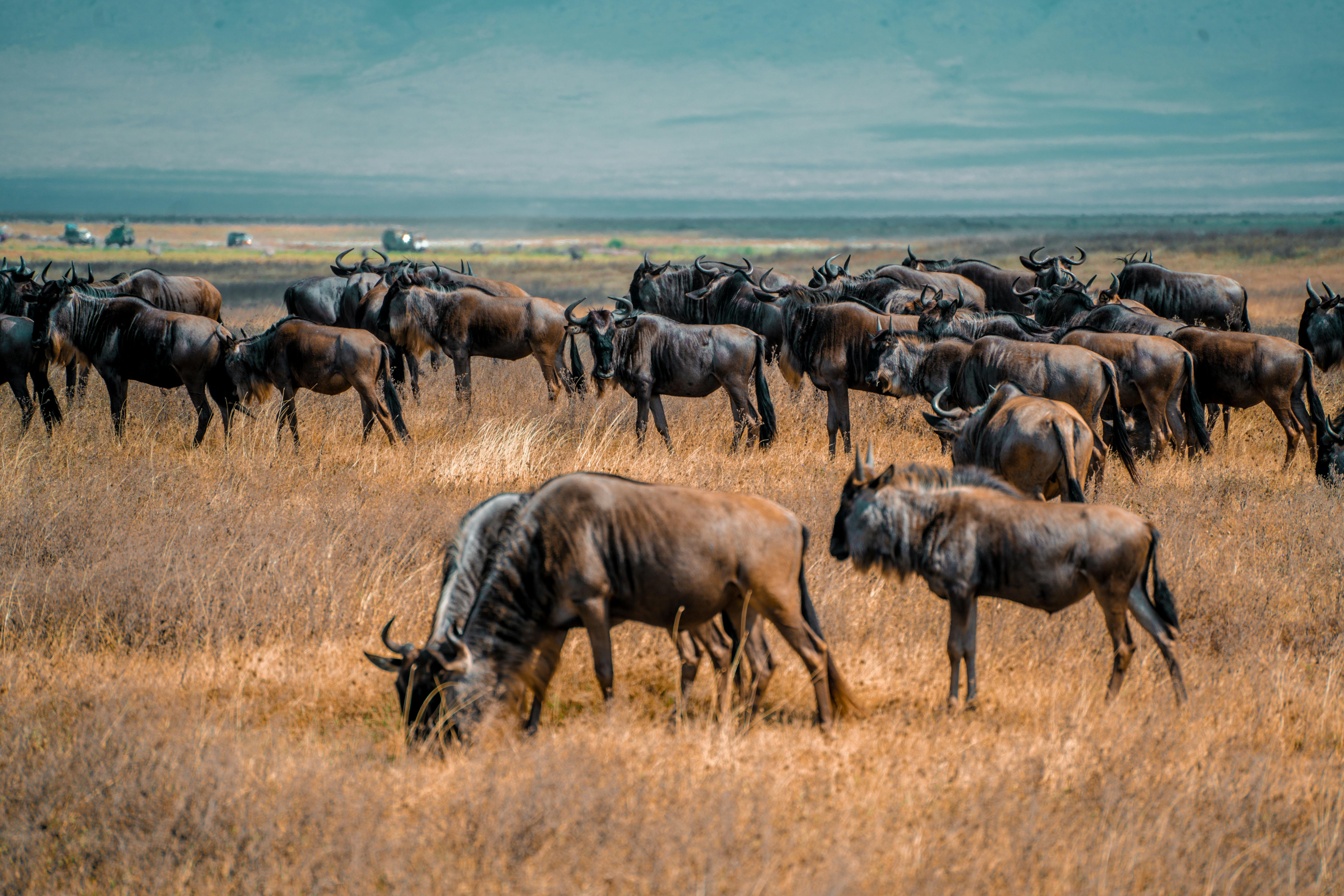
Mention "safari" anywhere in the world and one name immediately comes to mind: the Serengeti. This legendary national park in northern Tanzania is synonymous with African wildlife, big skies, and the kind of raw, primal encounters with nature that change people forever. At Kili to Savanna Adventures, the Serengeti is our home ground — and we want to help you experience it at its extraordinary best.
What Makes the Serengeti Unmissable?
The Serengeti National Park covers 14,763 square kilometres of sweeping savanna, acacia woodland, and granite kopje outcroppings in northern Tanzania. Established as a national park in 1951 and designated a UNESCO World Heritage Site in 1981, the Serengeti is the oldest and most scientifically important ecosystem in Africa.
The park supports the highest concentration of large mammals on Earth. Big cats — lions, leopards, and cheetahs — are all reliably seen here. Elephant, buffalo, giraffe, zebra, hippopotamus, and hundreds of bird species complete the picture.
The Great Wildebeest Migration: A Month-by-Month Calendar
December – March: Southern Serengeti & Ndutu
The herds gather on the short-grass plains of the southern Serengeti and the Ndutu area. January and February are peak calving months, with up to 8,000 calves born every day. Predators — lions, hyenas, wild dogs, and cheetahs — follow the herds closely, creating dramatic daily hunting sequences.
April – May: Moving North
As the rains fall, the grass in the south is depleted and the herds begin their long northward march. This is the green season — fewer tourists, lush landscapes, and excellent value. The migration columns stretch as far as the eye can see.
June – July: Western Corridor & Grumeti River
The herds reach the Grumeti River in the western Serengeti. Enormous crocodiles lurk in the pools, and the river crossings here offer unforgettable wildlife theatre. June and July are superb months for a Serengeti safari.
August – October: Northern Serengeti & Mara River Crossings
This is the moment most people picture when they think of the Great Migration. The herds bunch up at the Mara River, building courage before plunging into the crocodile-filled waters in mass crossings. When they happen, they are the most dramatic wildlife spectacle on Earth. Kili to Savanna's mobile safari camps follow the migration north to position you perfectly for the crossings.
November: Return South
As the short rains begin, the herds turn southward, completing the circle. A quieter time with good sightings and lower prices.
Our Serengeti Safari Packages
- Classic Northern Circuit: Serengeti, Ngorongoro Crater, Tarangire, and Lake Manyara — the ultimate introduction to Tanzania's northern parks
- Great Migration Safari: A dedicated itinerary timed to the migration, with mobile camping to follow the herds
- Exclusive Fly-In Safari: Skip the road and fly directly into the Serengeti for maximum time with the wildlife
- Family Safari: Specially designed itineraries for families with children and age-appropriate activities
- Honeymoon Safari: Romantic private camps and exclusive experiences for couples
Practical Information
- Getting There: Most safaris begin in Arusha, approximately 325 km from the Serengeti's main gate. Fly-in options are available from Arusha, Kilimanjaro, or Dar es Salaam airports.
- What to Pack: Light, neutral-coloured clothing, a quality camera with zoom lens, binoculars, sunscreen, and insect repellent.
- Visa: Most nationalities can obtain a Tanzania e-Visa online before travel.
Book Your Serengeti Safari with Kili to Savanna
Call us on +255 734 970 891, Monday to Saturday, 10am–6:30pm, or send an enquiry at kilitosavannaadventures.com. Secure payment. Clear pricing. Personal service.


